The Whisper Tree – Holly Searcy
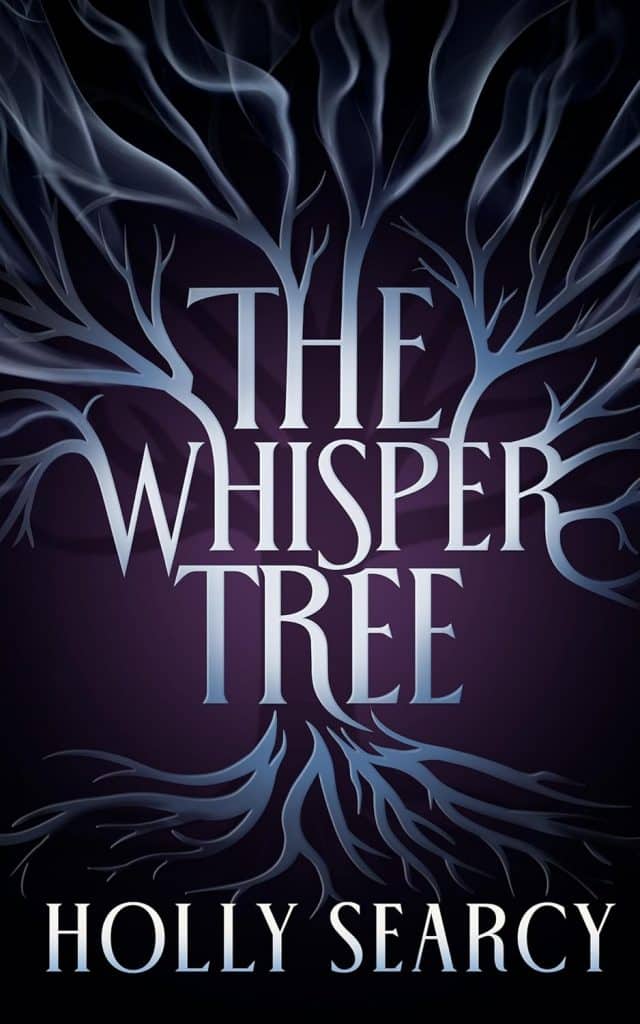
New Magic, New Allies, New Trouble: A Review of The Whisper Tree
The battlefield never really lets you leave. Some stories fade to black after the clash, giving readers time to breathe before the next adventure begins. Holly Searcy’s The Whisper Tree does the opposite. It throws you straight back into the fray, picking up at the exact moment the first book ends, dust still in the air, blood crusting on armour. The result is a seamless continuation that makes the second instalment of The Amarra Chronicles feel less like a separate book and more like turning the next, much-anticipated page of the same grand adventure.
After thoroughly enjoying the first instalment (read my review of The Shiver Tree here), I was eager to return to this world, and The Whisper Tree wastes no time pulling you back in. Readers who come to the series later and can binge the books one after another will be particularly fortunate, as the story flows beautifully when read in quick succession, giving the series the satisfying weight of an epic narrative that invites you to keep turning pages.
Following the party’s success on their initial adventure, circumstances force them to part ways to tackle several looming threats. This shift introduces a split point-of-view structure. After experiencing the first book entirely through Kiana’s perspective, I initially worried that expanding the narrative lens might make the story feel disjointed. Happily, the opposite proves true. The wider perspective adds both depth and urgency, allowing readers to watch events unfold across different corners of the world. It also offers valuable insight into the motivations of several key characters. It allows us to witness important story pillars from multiple angles, creating a far richer, more complete world.
Part of this expansion comes from the new group of companions Kiana encounters as she takes the next step towards restoring the Monarch Tree. In true tabletop fashion, a fresh party forms in a tavern: a lively assortment of races and classes with very different personalities and skill sets. Managing a cast like this can be tricky. Many fantasy novels introduce a large group only to leave several members fading quietly into the background. To her credit, Holly Searcy handles the balance admirably. Each character has their moment to shine, their abilities revealed naturally through the story at just the right moment. No one feels like filler, and every addition strengthens the worldbuilding.
The introduction of these new characters may prove slightly divisive depending on the reader’s familiarity with the genre. Those comfortable with fantasy, or with Dungeons & Dragons in particular, will recognise many of the archetypes immediately. For them, the author’s choice to show abilities through action rather than lengthy explanations is refreshing. However, one of the more common criticisms of the first book was confusion surrounding the different magic systems. While the first instalment introduced druidic and arcane magic, The Whisper Tree expands this further with the addition of chaotic magic.
As both a D&D player and a long-time fantasy reader, I personally enjoyed the lack of dense exposition explaining every detail. The progression of characters’ abilities becomes clear through context, much like watching a tabletop campaign unfold, where you can almost sense when someone has reached the limit of their spell slots or gained a new level. That said, The Amarra Chronicles are written in an accessible, easy-to-digest style that would make them an excellent gateway into the fantasy genre. For readers entirely new to fantasy, the absence of more detailed magical explanations might occasionally leave them wishing for a little more guidance.
The true strength of this book, however, lies in its personality. The characters feel wonderfully alive. They can make you laugh one moment and want to shake them the next, always a good sign that the author has succeeded in making you care about them. A very gentle romantic subplot continues from the first book, woven lightly through the narrative. It never dominates the story or pushes the novel into romantasy territory; rather, it adds warmth and colour in the background. Even readers who normally shy away from romance in their fantasy are unlikely to find it intrusive.
Alongside the character moments are plenty of the elements fantasy readers crave: twists, puzzles, tense encounters, and an epic battle that brings everything to a satisfying crescendo. If this story wasn’t inspired by a D&D campaign, it certainly feels like it could have been; it would make a fantastic one.
Ultimately, The Whisper Tree is a fantasy novel written with one clear goal: to entertain. It invites the reader into a vivid world and sweeps them along on a lively adventure. The writing style is smooth and approachable, free from the heavy, self-important tone that can sometimes weigh down epic fantasy and discourage newer readers. Instead, the story flows easily, making it just as suitable for young adults as it is for seasoned fantasy fans.
In short, it’s a delightful, if occasionally nerve-wracking, piece of escapism, and by the final page I found myself already impatient for the next instalment. I will certainly be waiting eagerly for book three.
Buy Direct from the author

Buy from Amazon

See what others think on Goodreads